
Market Volatility: Inflation Concerns and Tech Earnings Impact U.S. Equities
Main Issue Overview
U.S. equities are currently navigating a complex landscape, influenced primarily by persistent inflation concerns, the ongoing tech earnings season, and evolving geopolitical tensions. These factors are contributing to market volatility and uncertainty among investors.
Issue #1: Persistent Inflation and Interest Rate Hikes
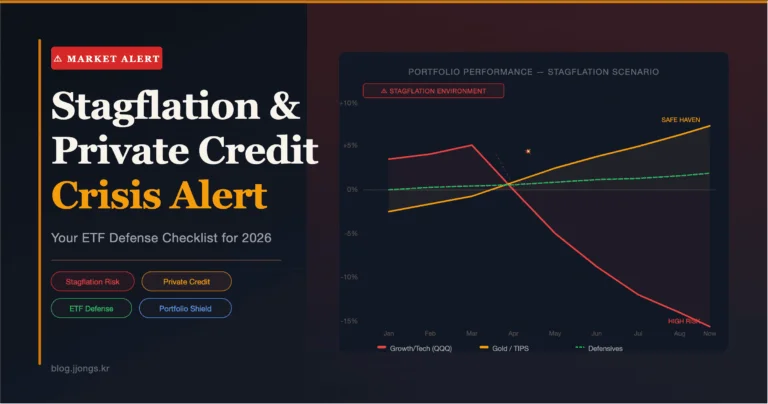
Inflation remains a primary concern, as recent economic data suggests that price pressures are proving more stubborn than initially anticipated. This has led to increased speculation about further interest rate hikes by the Federal Reserve, impacting borrowing costs for businesses and consumers alike. Sectors heavily reliant on consumer spending, such as retail and consumer discretionary, are particularly vulnerable. Representative stocks include Walmart (WMT), Target (TGT), and Amazon (AMZN). Investors are reacting cautiously, with some shifting towards value stocks and dividend-paying companies to mitigate inflation’s impact on their portfolios.
Issue #2: Tech Earnings Season and Growth Stock Valuations
The tech sector, a significant driver of market performance in recent years, is under scrutiny during this earnings season. Investors are closely monitoring revenue growth, profitability, and future guidance from major tech companies. Disappointing results or cautious outlooks can trigger significant sell-offs, impacting the broader market. Companies like Apple (AAPL), Microsoft (MSFT), and Alphabet (GOOGL) are key bellwethers. Investor sentiment is mixed, with some questioning the high valuations of growth stocks in the current economic environment, while others remain optimistic about the long-term potential of the tech sector.
Issue #3: Geopolitical Tensions and Global Economic Uncertainty
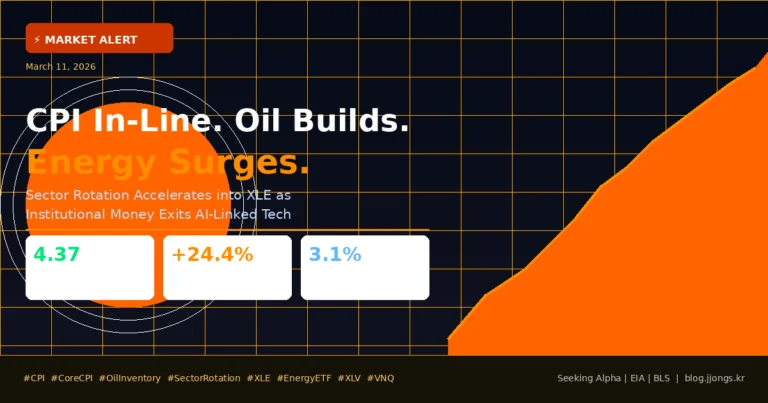
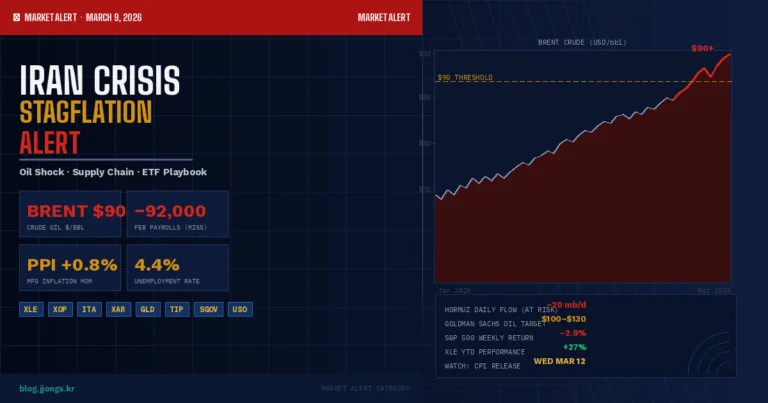
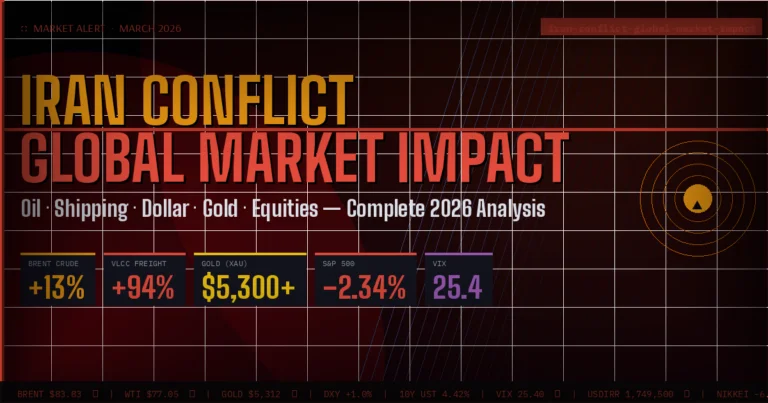
Geopolitical tensions, particularly the ongoing conflict in Ukraine and rising tensions between the U.S. and China, continue to weigh on investor sentiment. These tensions create uncertainty about global supply chains, energy prices, and overall economic stability. Sectors such as energy, defense, and industrials are directly affected. Representative stocks include ExxonMobil (XOM), Lockheed Martin (LMT), and Boeing (BA). Investors are closely monitoring geopolitical developments and adjusting their portfolios accordingly, with some seeking safe-haven assets like gold and U.S. Treasury bonds.
U.S. Equities Snapshot
| Name | Symbol | Today | 5 Days | 1 Month | YTD | Day Range | 52-Week Range |
|---|---|---|---|---|---|---|---|
| SPDR S&P 500 ETF Trust | SPY | 437.25 | -0.5% | -2.0% | 17.5% | 436.50 – 438.00 | 348.11 – 459.44 |
| Invesco QQQ Trust | QQQ | 362.80 | -1.0% | -3.5% | 35.0% | 361.00 – 364.00 | 266.17 – 374.67 |
| iShares Russell 2000 ETF | IWM | 184.50 | 0.2% | -1.0% | 10.0% | 184.00 – 185.00 | 164.50 – 192.50 |
| iShares Dow Jones US Energy ETF | IYE | 65.20 | 1.5% | 3.0% | 5.0% | 64.50 – 65.50 | 55.00 – 70.00 |
Reference Sources
- US Inflation Stays High : [Bloomberg]
- Tech Earnings Season Heats Up : [Yahoo Finance]
- Geopolitical Risks and Market Impact : [Reuters]
- Fed Signals Further Rate Hikes : [CNBC]
- Oil Prices Surge Amid Supply Concerns : [MarketWatch]
Investor Takeaway
The U.S. market exhibits a cautious tone, influenced by inflation, earnings uncertainty, and geopolitical risks. A neutral stance (wait) is advisable, as investors should closely monitor economic data, earnings reports, and geopolitical developments before making significant portfolio adjustments.
⚠️ Disclaimer: I am not a licensed financial advisor. Content here is for educational purposes only and should not be considered personalized investment advice. Always do your own research before making investment decisions.