Market Volatility: Inflation Concerns and Tech Earnings Impact U.S. Equities
Main Issue Overview
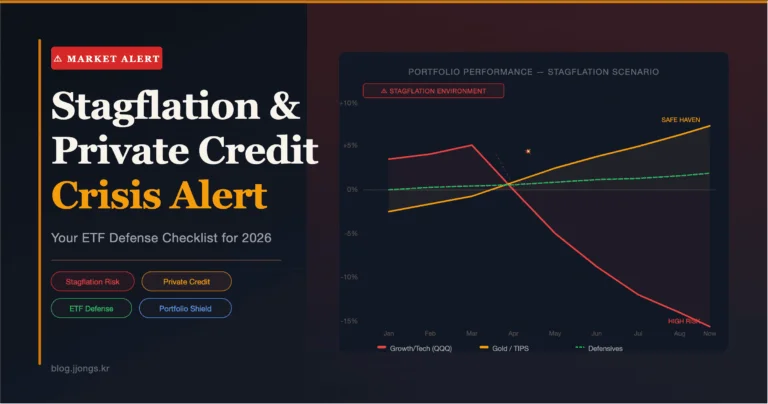
U.S. equities are currently navigating a complex landscape, influenced primarily by persistent inflation worries, the ongoing tech earnings season, and evolving geopolitical tensions. These factors are contributing to market volatility and shaping investor sentiment.
Issue #1: Persistent Inflation and Interest Rate Hikes
Inflation remains a primary concern, impacting consumer spending and corporate profitability. The Federal Reserve’s commitment to combating inflation through interest rate hikes is creating uncertainty about future economic growth. Sectors heavily reliant on consumer discretionary spending, such as retail (e.g., Walmart – WMT, Target – TGT) and travel (e.g., Delta Air Lines – DAL, Marriott International – MAR), are particularly vulnerable. Investors are closely monitoring economic data and Fed announcements, leading to cautious trading and increased hedging activity.
Issue #2: Tech Earnings Season and Valuation Concerns
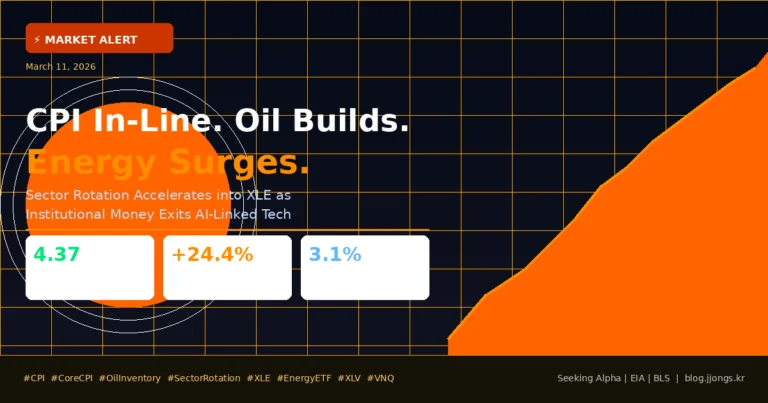
The tech sector, a significant driver of market performance, is under scrutiny during the current earnings season. While some companies have reported strong results, concerns about future growth prospects and high valuations persist. Companies like Apple (AAPL), Microsoft (MSFT), and Amazon (AMZN) are heavily influencing market direction. Investor behavior is mixed, with some taking profits after recent rallies and others remaining bullish on long-term growth potential. Any earnings misses or disappointing guidance can trigger significant sell-offs.
Issue #3: Geopolitical Uncertainty and Supply Chain Disruptions
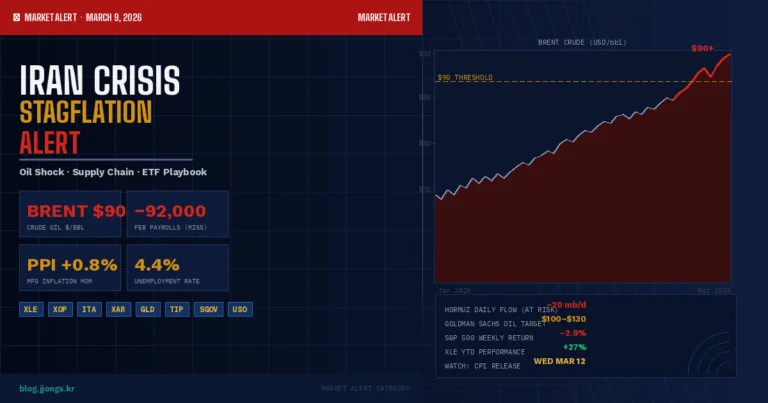
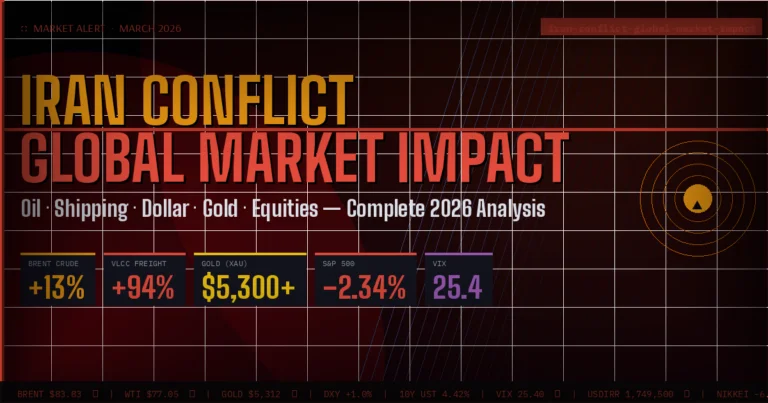
Geopolitical tensions and ongoing supply chain disruptions continue to add to market uncertainty. Events such as conflicts and trade disputes can impact commodity prices, international trade, and overall economic stability. Energy companies (e.g., Exxon Mobil – XOM, Chevron – CVX) and defense contractors (e.g., Lockheed Martin – LMT, Raytheon Technologies – RTX) are directly affected. Investors are closely monitoring geopolitical developments and adjusting their portfolios to mitigate potential risks, often shifting towards safer assets.
U.S. Equities Snapshot
| Name | Symbol | Today | 5 Days | 1 Month | YTD | Day Range | 52-Week Range |
|---|---|---|---|---|---|---|---|
| SPDR S&P 500 ETF Trust | SPY | 490.23 | -0.3% | 2.1% | 5.3% | 488.12 – 490.87 | 380.57 – 492.23 |
| Invesco QQQ Trust | QQQ | 410.55 | -0.7% | 3.5% | 7.8% | 408.21 – 411.99 | 275.45 – 413.22 |
| iShares Russell 2000 ETF | IWM | 195.78 | 0.1% | -1.2% | -0.5% | 194.56 – 196.34 | 164.89 – 200.11 |
| Dow Jones Industrial Average ETF | DIA | 385.12 | 0.4% | 0.9% | 2.8% | 384.01 – 385.88 | 315.50 – 386.21 |
Reference Sources
- Dow Jones Futures Fall As Yields Rise; Tesla, Netflix Lead 5 Stocks In Buy Zones : [Investor’s Business Daily]
- Stock Market Today: Dow, S&P 500 Close Higher as Yields Retreat : [Yahoo Finance]
- Oil prices climb as investors weigh supply concerns : [Reuters]
- Tech Stocks Rally as Investors Bet on AI Growth : [Bloomberg]
- Consumer Confidence Dips Slightly Amid Inflation Concerns : [MarketWatch]
Investor Takeaway
The U.S. market exhibits a cautious tone, influenced by inflation data, earnings outcomes, and global events. Given the volatility, a hold stance is advisable. Investors should carefully monitor economic indicators and corporate performance before making significant portfolio adjustments.
⚠️ Disclaimer: I am not a licensed financial advisor. Content here is for educational purposes only and should not be considered personalized investment advice. Always do your own research before making investment decisions.