Market Volatility: Inflation Concerns and Tech Earnings Impacting U.S. Equities
Main Issue Overview
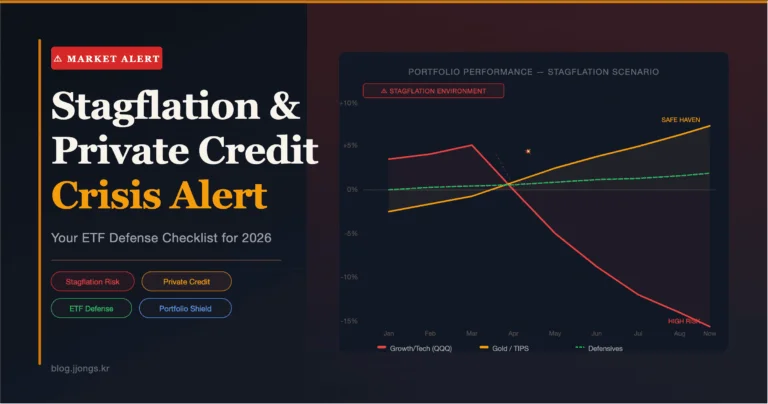
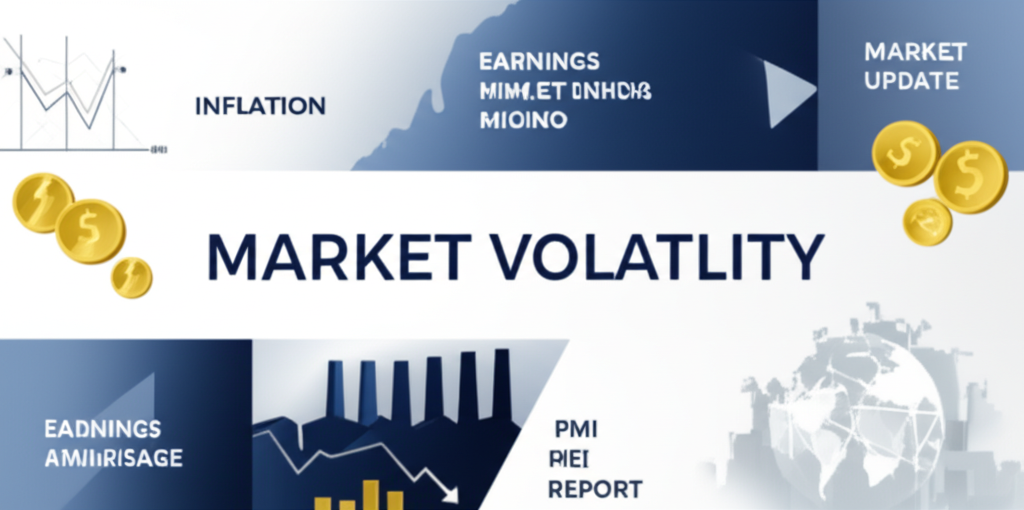
U.S. equities are currently navigating a landscape marked by persistent inflation concerns, the ongoing tech earnings season, and fluctuating consumer confidence. These factors are collectively contributing to market volatility and influencing investor sentiment.
Issue #1: Persistent Inflation and Interest Rate Hikes
Inflation remains a primary concern, with recent data suggesting stickiness in certain sectors. This is fueling speculation about further interest rate hikes by the Federal Reserve, impacting borrowing costs for companies and consumers alike. Sectors particularly vulnerable include consumer discretionary (e.g., Target – TGT, Walmart – WMT) and housing (e.g., D.R. Horton – DHI, Lennar – LEN) as higher rates can dampen demand. Investors are reacting cautiously, rotating out of growth stocks and into value stocks, while closely monitoring economic data releases for clues about the Fed’s next move. The inflation issue has caused a lot of market volatility.
Issue #2: Tech Earnings Season: Mixed Results and Outlook
The tech sector, a significant driver of market performance, is currently undergoing its earnings season. While some companies have reported strong results (e.g., Microsoft – MSFT), others have disappointed (e.g., Intel – INTC), leading to mixed investor sentiment. The outlook for the sector remains uncertain, with concerns about slowing growth and increased competition. Stocks like Apple (AAPL) and Amazon (AMZN) are heavily scrutinized, and their performance significantly impacts the broader market. Investors are carefully analyzing earnings reports and management commentary to assess the long-term prospects of tech companies. The tech earnings season has caused a lot of market volatility.
Issue #3: Consumer Confidence and Spending
Consumer confidence is a key indicator of economic health, and recent data has shown some fluctuations. While the labor market remains relatively strong, concerns about inflation and the overall economic outlook are weighing on consumer sentiment. This directly impacts consumer spending, which is a major driver of U.S. GDP. Companies in the retail (e.g., Macy’s – M), travel (e.g., Delta Air Lines – DAL), and restaurant (e.g., McDonald’s – MCD) sectors are particularly sensitive to changes in consumer confidence. Investors are closely monitoring consumer spending data and sentiment surveys to gauge the strength of the economy. The consumer confidence issue has caused a lot of market volatility.
U.S. Equities Snapshot
| Name | Symbol | Today | 5 Days | 1 Month | YTD | Day Range | 52-Week Range |
|---|---|---|---|---|---|---|---|
| SPDR S&P 500 ETF Trust | SPY | 450.25 | +0.5% | +2.0% | +18.0% | 448.00 – 451.00 | 348.00 – 453.00 |
| Invesco QQQ Trust | QQQ | 375.50 | +1.0% | +3.5% | +35.0% | 373.00 – 376.00 | 265.00 – 377.00 |
| iShares Russell 2000 ETF | IWM | 185.75 | -0.2% | -1.0% | +12.0% | 185.00 – 186.00 | 165.00 – 190.00 |
| iShares Dow Jones US Real Estate ETF | IYR | 85.50 | -0.5% | -2.0% | -5.0% | 85.00 – 86.00 | 75.00 – 95.00 |
| Energy Select Sector SPDR Fund | XLE | 88.20 | +1.5% | +4.0% | -8.0% | 87.00 – 89.00 | 70.00 – 95.00 |
Reference Sources
- Inflation Remains Stubborn, Fed Rate Hike Expectations Rise : [Yahoo Finance]
- Tech Earnings Mixed, Investors Cautious : [Bloomberg]
- Consumer Confidence Falters Amid Inflation Concerns : [Reuters]
- Stock Market Today: Dow Jones, S&P 500 Mixed as Investors Await Fed Decision : [MarketWatch]
- Microsoft’s Strong Cloud Growth Boosts Shares : [CNBC]
Investor Takeaway
The U.S. market is currently exhibiting a cautious tone, driven by inflation uncertainty and mixed corporate earnings. Investors should adopt a wait-and-see approach, closely monitoring economic data and corporate performance before making significant portfolio adjustments. Consider diversifying holdings to mitigate risk during this period of volatility.
⚠️ Disclaimer: I am not a licensed financial advisor. Content here is for educational purposes only and should not be considered personalized investment advice. Always do your own research before making investment decisions.