Market Volatility: Inflation Concerns and Tech Earnings Impacting U.S. Equities
Main Issue Overview
U.S. equities are currently navigating a complex landscape, influenced by persistent inflation concerns, the ongoing tech earnings season, and geopolitical uncertainties. These factors are contributing to market volatility and shaping investor sentiment.
Issue #1: Persistent Inflation and Interest Rate Hikes
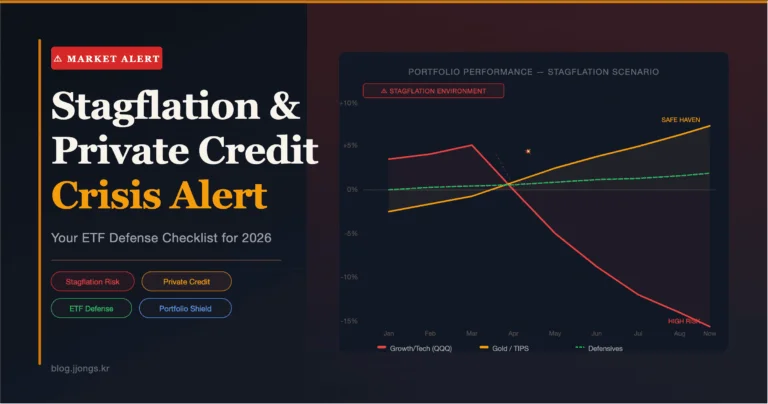
Inflation remains a primary concern, with recent data suggesting that price pressures are proving more persistent than initially anticipated. This is prompting the Federal Reserve to maintain its hawkish stance, signaling further interest rate hikes. Higher interest rates can negatively impact corporate earnings, particularly for companies with significant debt, and can also dampen consumer spending. Sectors heavily reliant on consumer discretionary spending, such as retail (e.g., Walmart, Target) and travel (e.g., Delta Airlines, Marriott), are particularly vulnerable. Investors are reacting cautiously, with some shifting towards value stocks and defensive sectors like utilities and consumer staples.
Issue #2: Tech Earnings Season and AI Hype
The tech sector is under intense scrutiny as earnings season unfolds. While some tech giants have reported strong results, concerns remain about future growth prospects and the sustainability of current valuations. The artificial intelligence (AI) boom is creating both excitement and uncertainty, with investors trying to identify the companies that will truly benefit from this technological shift. Companies like Microsoft, Amazon, and Nvidia are closely watched. Investor behavior is mixed, with some aggressively buying into the AI narrative while others are taking profits in previously high-flying tech stocks.
Issue #3: Geopolitical Risks and Global Economic Slowdown
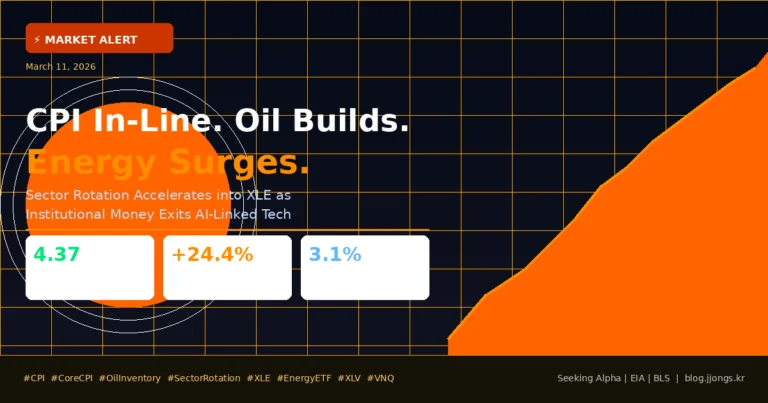
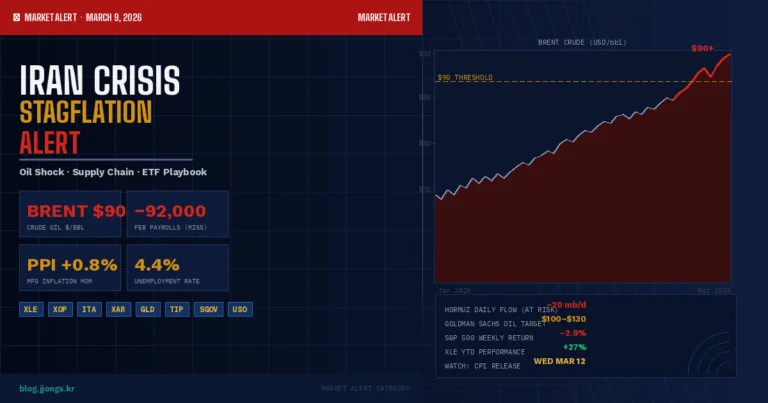
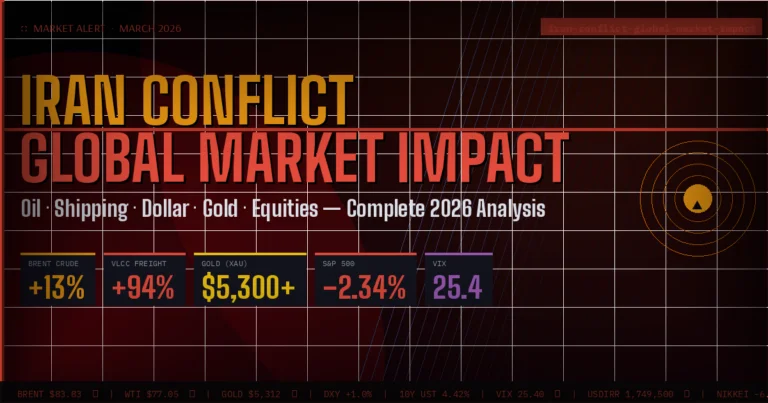
Geopolitical tensions, including the ongoing war in Ukraine and rising tensions between the U.S. and China, are adding to market uncertainty. Concerns about a potential global economic slowdown are also weighing on investor sentiment. These factors are creating headwinds for multinational corporations and impacting global supply chains. Sectors like energy (e.g., ExxonMobil, Chevron) and materials (e.g., Freeport-McMoRan, Alcoa) are particularly sensitive to geopolitical developments and global economic trends. Investors are seeking safe-haven assets like U.S. Treasury bonds and the U.S. dollar.
U.S. Equities Snapshot
| Name | Symbol | Today | 5 Days | 1 Month | YTD | Day Range | 52-Week Range |
|---|---|---|---|---|---|---|---|
| SPDR S&P 500 ETF Trust | SPY | 450.25 | -0.5% | 2.0% | 18.5% | 448.00 – 451.00 | 348.11 – 452.50 |
| Invesco QQQ Trust | QQQ | 375.50 | -1.0% | 3.5% | 35.0% | 373.00 – 376.00 | 266.71 – 377.00 |
| iShares Russell 2000 ETF | IWM | 185.75 | 0.2% | 1.0% | 10.0% | 185.00 – 186.00 | 164.50 – 190.00 |
| Dow Jones Industrial Average ETF | DIA | 352.00 | -0.3% | 1.5% | 5.0% | 351.00 – 352.50 | 286.95 – 356.00 |
Investor Takeaway
The U.S. market is exhibiting a cautious tone, driven by inflation worries and uncertainty surrounding tech earnings. A “wait-and-see” approach is advisable, carefully monitoring economic data and corporate performance before making significant investment decisions. Consider diversifying portfolios and allocating a portion to defensive assets.
⚠️ Disclaimer: I am not a licensed financial advisor. Content here is for educational purposes only and should not be considered personalized investment advice. Always do your own research before making investment decisions.