Market Volatility : Navigating Inflation, Interest Rates, and Economic Slowdown
Main Issue Overview
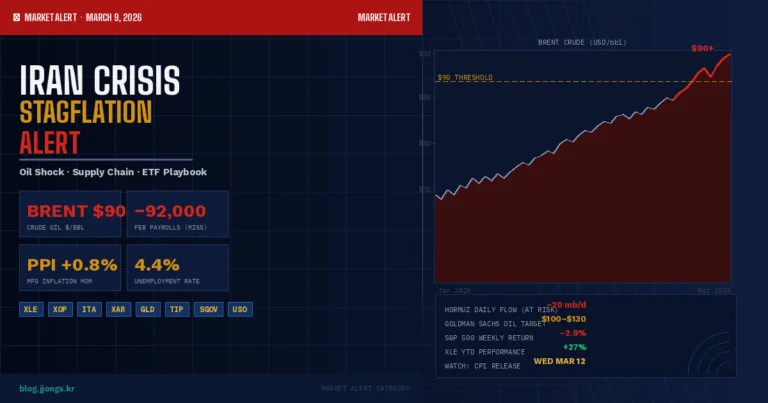
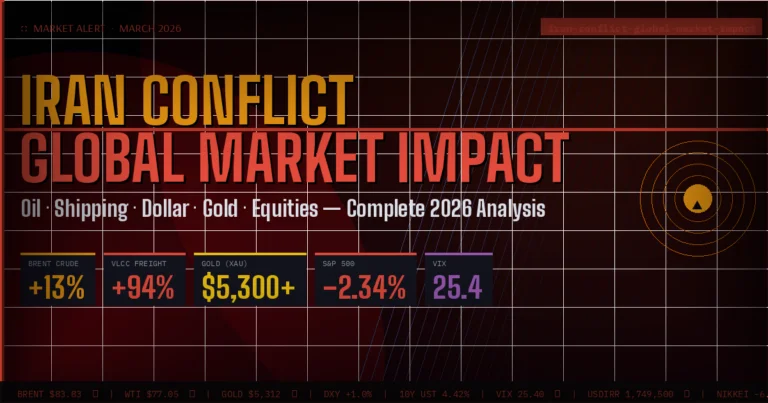
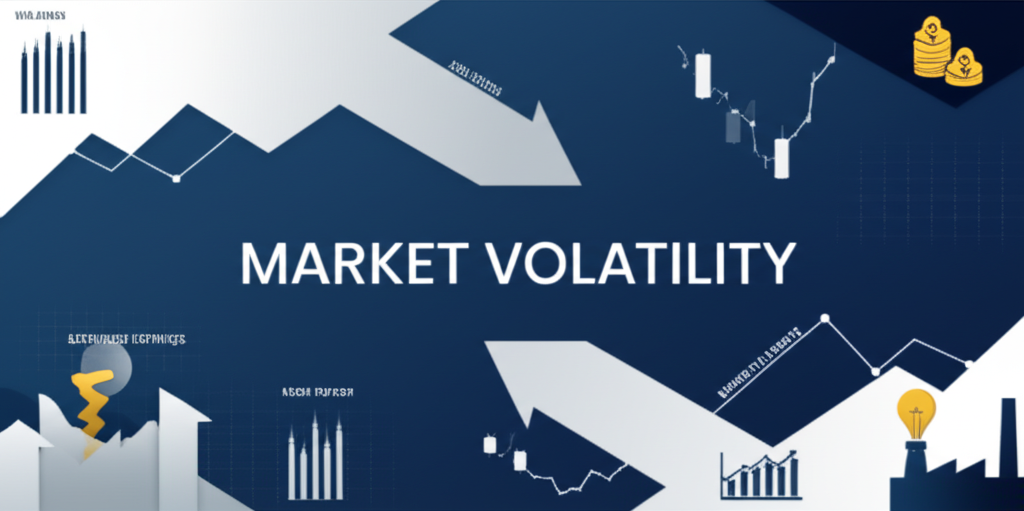
The U.S. market is currently grappling with a confluence of factors creating significant volatility. Persistent inflation, rising interest rates, and growing concerns about an economic slowdown are weighing heavily on investor sentiment and driving market fluctuations.
Issue #1: Persistent Inflation and Fed Policy
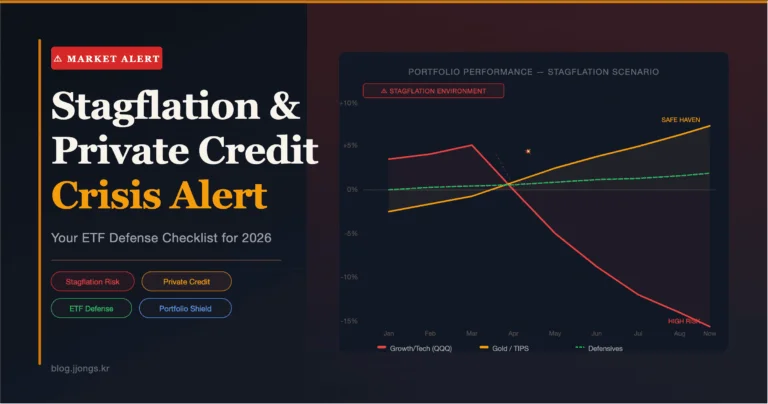
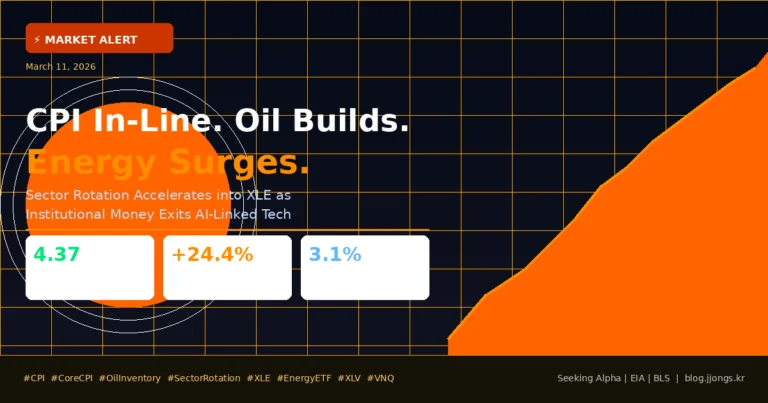
Inflation remains stubbornly high, forcing the Federal Reserve to maintain its hawkish stance on interest rates. This impacts the market by increasing borrowing costs for companies, potentially slowing down economic growth and reducing corporate profits. Sectors particularly vulnerable include consumer discretionary (e.g., Target – TGT, Walmart – WMT) as consumers cut back on spending, and housing (e.g., D.R. Horton – DHI, Lennar – LEN) as mortgage rates rise. Investors are reacting cautiously, with many reducing their exposure to growth stocks and seeking safer havens like dividend-paying stocks and bonds. Concerns about persistent inflation continue to drive market volatility. CPI Data : [BLS]
Issue #2: Rising Interest Rates and Bond Yields
The Federal Reserve’s ongoing interest rate hikes are pushing bond yields higher, making bonds more attractive relative to stocks. This can lead to a rotation out of equities, particularly high-growth tech stocks (e.g., Apple – AAPL, Microsoft – MSFT, Amazon – AMZN) whose valuations are often based on future earnings. Sectors like utilities (e.g., Duke Energy – DUK, Southern Company – SO) may benefit as investors seek stable income. Investors are closely monitoring Fed announcements and economic data for clues about the future path of interest rates. The rising interest rates are impacting the market and creating uncertainty. FOMC Statements : [Federal Reserve]
Issue #3: Economic Slowdown and Recession Fears
There are increasing concerns about a potential economic slowdown or even a recession in the U.S. This is fueled by factors like high inflation, rising interest rates, and global economic uncertainty. Sectors that are particularly vulnerable to an economic downturn include industrials (e.g., Caterpillar – CAT, Boeing – BA) and materials (e.g., Freeport-McMoRan – FCX, Dow – DOW). Investors are becoming more risk-averse and are looking for companies with strong balance sheets and stable earnings. The economic slowdown is a major concern for investors. Leading Economic Index : [The Conference Board]
U.S. Equities Snapshot
| Name | Symbol | Today | 5 Days | 1 Month | YTD | Day Range | 52-Week Range |
|---|---|---|---|---|---|---|---|
| SPDR S&P 500 ETF Trust | SPY | 410.50 | -0.5% | +2.0% | +7.5% | 408.00 – 412.00 | 348.11 – 432.00 |
| Invesco QQQ Trust | QQQ | 340.25 | -1.0% | +3.5% | +12.0% | 338.00 – 342.00 | 269.28 – 368.00 |
| iShares Russell 2000 ETF | IWM | 185.75 | +0.2% | +1.5% | +5.0% | 184.00 – 186.00 | 164.50 – 200.00 |
| iShares Core U.S. Aggregate Bond ETF | AGG | 98.50 | +0.1% | +0.5% | +1.0% | 98.00 – 98.75 | 96.00 – 105.00 |
Investor Takeaway
The U.S. market is facing significant headwinds from inflation, rising interest rates, and economic slowdown concerns. Given the high degree of uncertainty, a cautious approach is warranted. Investors may consider a “wait-and-see” stance, focusing on preserving capital and carefully evaluating investment opportunities as the economic outlook becomes clearer. Diversification and a focus on quality companies with strong fundamentals are crucial in this environment.
⚠️ Disclaimer: I am not a licensed financial advisor. Content here is for educational purposes only and should not be considered personalized investment advice. Always do your own research before making investment decisions.