Market Volatility: Navigating Inflation, Interest Rates, and Economic Uncertainty
Main Issue Overview
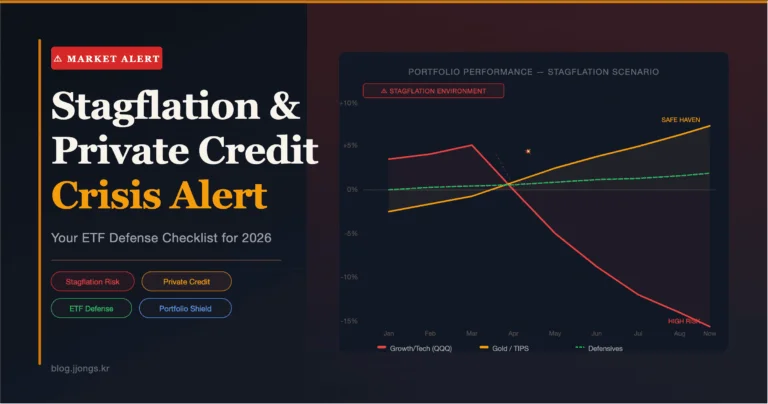
The U.S. market faces a complex interplay of factors, primarily driven by persistent inflation, rising interest rates, and overall economic uncertainty. These elements are creating volatility and influencing investor decisions across various sectors.
Issue #1: Persistent Inflation Concerns
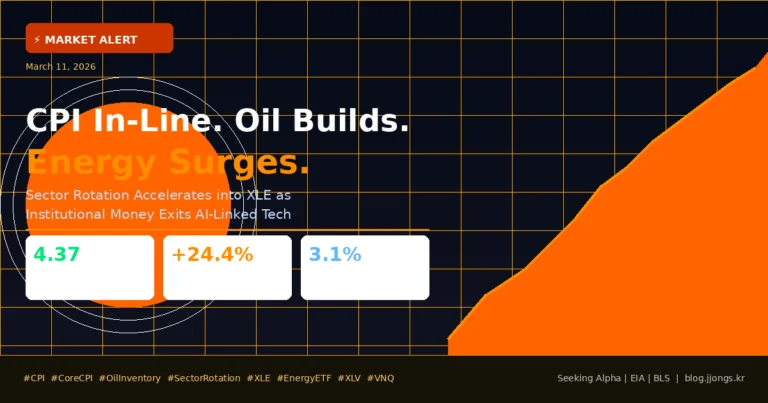
Inflation remains a primary concern, impacting consumer spending and corporate profitability. The latest CPI data indicates that while inflation may be cooling slightly, it’s still above the Federal Reserve’s target. This necessitates continued monetary tightening, creating headwinds for economic growth. Sectors heavily reliant on consumer discretionary spending, such as retail (e.g., Walmart – WMT, Target – TGT) and travel (e.g., Delta Air Lines – DAL, Marriott – MAR), are particularly vulnerable. Investors are closely monitoring earnings reports and economic indicators, often reacting negatively to any signs of weakening demand or rising costs.
Issue #2: Rising Interest Rates and Fed Policy
The Federal Reserve’s ongoing interest rate hikes to combat inflation are significantly affecting the market. Higher rates increase borrowing costs for businesses and consumers, potentially slowing economic activity and dampening corporate earnings. The financial sector (e.g., JPMorgan Chase – JPM, Bank of America – BAC) is directly impacted, as net interest margins fluctuate with rate changes. Real estate (e.g., Lennar – LEN, D.R. Horton – DHI) is also sensitive, with higher mortgage rates cooling the housing market. Investors are carefully analyzing Fed statements and economic data to anticipate future rate moves, leading to increased market volatility and cautious trading strategies.
Issue #3: Global Economic Uncertainty
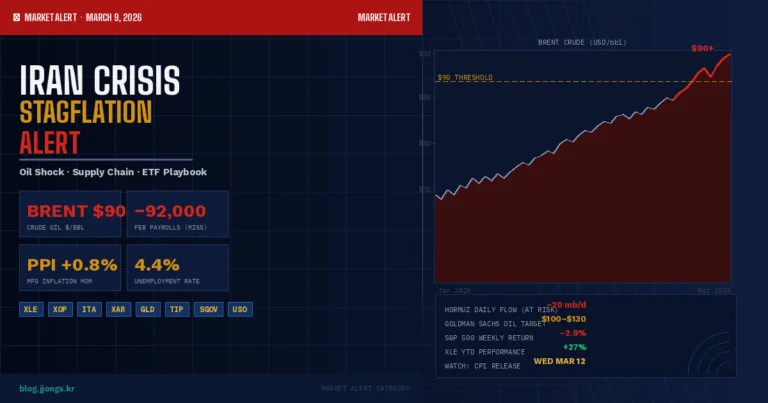
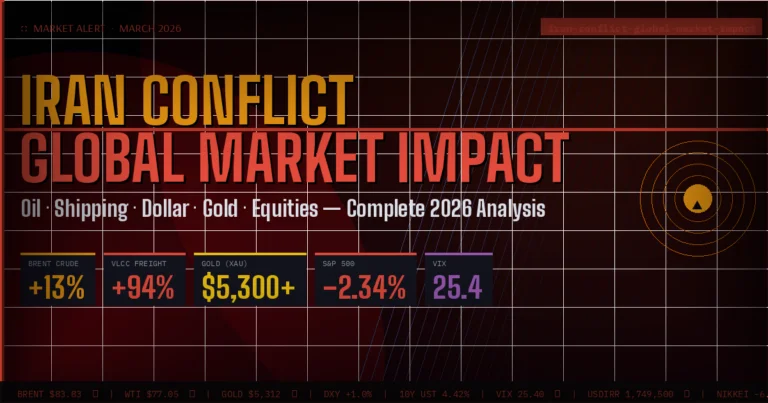
Geopolitical tensions and global economic slowdown contribute to overall market uncertainty. The war in Ukraine, supply chain disruptions, and varying economic policies across different countries all add layers of complexity. Companies with significant international exposure, particularly in sectors like technology (e.g., Apple – AAPL, Microsoft – MSFT) and energy (e.g., ExxonMobil – XOM, Chevron – CVX), face increased risks due to currency fluctuations, trade restrictions, and potential disruptions to their global operations. Investors are seeking safe-haven assets and diversifying their portfolios to mitigate these risks, often shifting towards more defensive sectors and quality stocks.
U.S. Equities Snapshot
| Name | Symbol | Today | 5 Days | 1 Month | YTD | Day Range | 52-Week Range |
|---|---|---|---|---|---|---|---|
| SPDR S&P 500 ETF Trust | SPY | 410.50 | -1.2% | +2.5% | +7.8% | 408.00 – 411.00 | 348.11 – 419.50 |
| Invesco QQQ Trust | QQQ | 330.25 | -0.8% | +4.1% | +12.1% | 328.00 – 331.00 | 264.65 – 338.19 |
| iShares Russell 2000 ETF | IWM | 185.75 | -1.5% | +1.8% | +6.2% | 184.00 – 186.00 | 164.50 – 192.70 |
| iShares Dow Jones US Real Estate ETF | IYR | 85.50 | -2.0% | -3.5% | -5.0% | 84.00 – 86.00 | 78.20 – 105.40 |
| Energy Select Sector SPDR Fund | XLE | 82.20 | +0.5% | -1.0% | -8.0% | 81.00 – 83.00 | 71.20 – 95.00 |
Reference Sources
- Wall Street Opens Higher on Tech Rally : [Yahoo Finance] (https://finance.yahoo.com)
- Inflation Data and Market Reaction : [Bloomberg] (https://www.bloomberg.com)
- Fed Signals Further Rate Hikes : [Reuters] (https://www.reuters.com)
- Real-Time Business News : [CNBC] (https://www.cnbc.com)
- ETF Key Market Data : [Seeking Alpha] (https://seekingalpha.com/etfs-and-funds/etf-tables/key_markets)
Investor Takeaway
Given the current market conditions marked by inflation, interest rate hikes, and global economic uncertainty, a cautious approach is warranted. Investors should consider a “hold” strategy, rebalancing portfolios towards more defensive sectors and focusing on companies with strong fundamentals and proven track records. Active monitoring of economic data and Fed policy announcements is crucial for making informed investment decisions.
⚠️ Disclaimer: I am not a licensed financial advisor. Content here is for educational purposes only and should not be considered personalized investment advice. Always do your own research before making investment decisions.