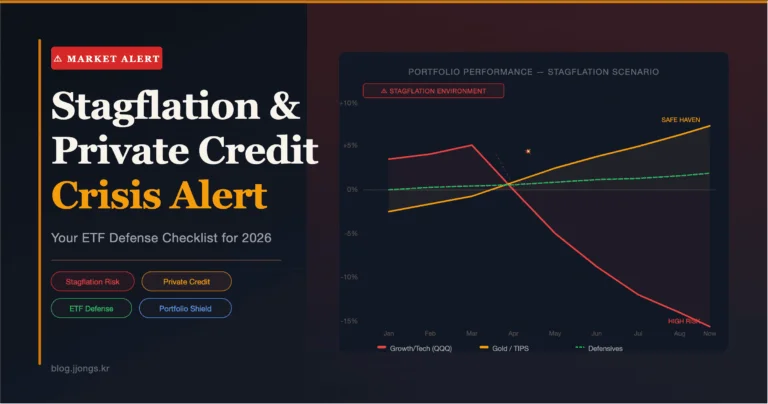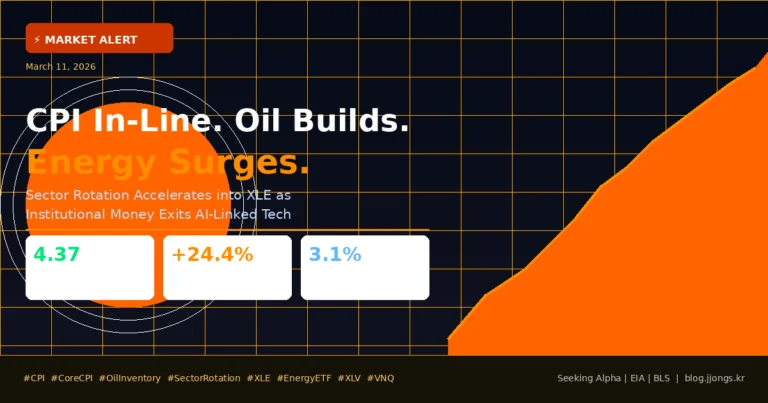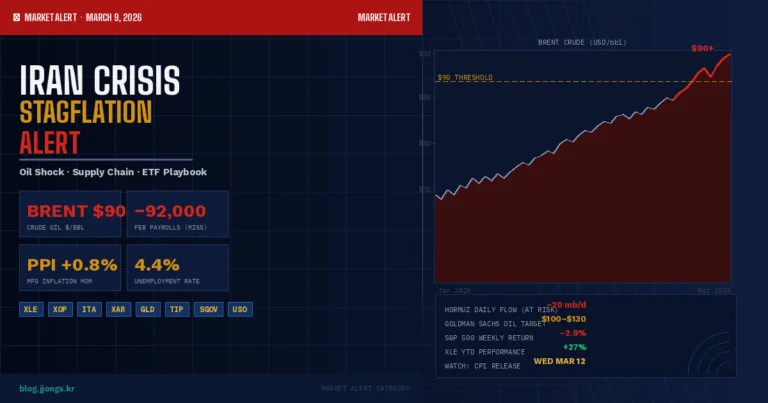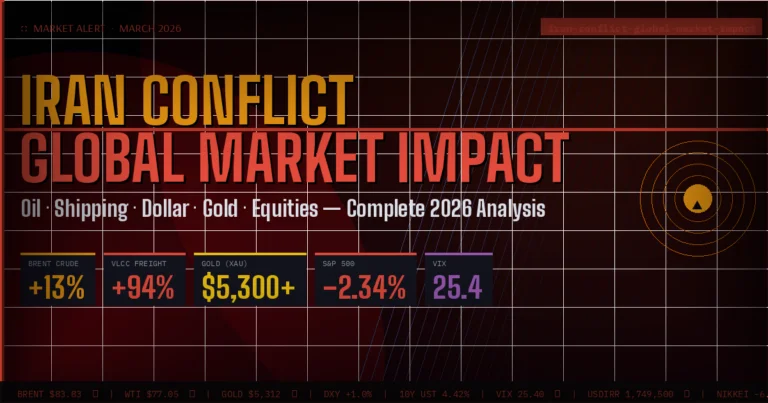

Now Issue: Inflation, Earnings, and Interest Rates – Market Volatility Persists
Main Issue Overview
The U.S. market is currently navigating a complex landscape shaped by persistent inflation, ongoing earnings season, and the Federal Reserve’s interest rate policy. These factors are contributing to significant market volatility and uncertainty among investors.
Issue #1: Persistent Inflation and Fed Policy
Inflation remains a primary concern, influencing the Federal Reserve’s monetary policy. High inflation readings prompt the Fed to maintain or even increase interest rates, which can dampen economic growth and corporate earnings. Sectors heavily reliant on consumer spending, such as retail (e.g., Walmart – WMT, Target – TGT) and consumer discretionary (e.g., Amazon – AMZN, McDonald’s – MCD), are particularly vulnerable. Investors are closely monitoring economic data releases and Fed statements, often leading to knee-jerk reactions in the market. Selling pressure is evident as investors reassess risk and seek safer assets.
Issue #2: Q2 2024 Earnings Season
The Q2 2024 earnings season is underway, providing insights into corporate performance amid the current economic conditions. Companies exceeding expectations may experience a boost in their stock prices, while those missing targets face potential declines. Technology (e.g., Apple – AAPL, Microsoft – MSFT) and financials (e.g., JPMorgan Chase – JPM, Bank of America – BAC) are key sectors to watch, as their earnings often serve as bellwethers for the broader market. Investor behavior is highly selective, rewarding companies demonstrating resilience and strong fundamentals while punishing those exhibiting weakness or providing cautious guidance.
Issue #3: Rising Interest Rates and Bond Yields
Rising interest rates and bond yields are impacting various sectors. Higher rates increase borrowing costs for companies, potentially affecting investments and profitability. The real estate sector (e.g., Home Depot – HD, Lennar – LEN) is particularly sensitive to interest rate changes, as higher mortgage rates can cool down the housing market. Utilities (e.g., Duke Energy – DUK, Southern Company – SO) may also face pressure as higher yields make their dividend payouts less attractive relative to bonds. Investors are rotating out of growth stocks and into value stocks, seeking companies with stable cash flows and lower valuations.
U.S. Equities Snapshot
| Name | Symbol | Today | 5 Days | 1 Month | YTD | Day Range | 52-Week Range |
|---|---|---|---|---|---|---|---|
| SPDR S&P 500 ETF Trust | SPY | 546.75 | +0.3% | +2.5% | +15.2% | 544.12 – 547.23 | 418.22 – 547.23 |
| Invesco QQQ Trust | QQQ | 482.10 | +0.5% | +3.8% | +18.9% | 479.55 – 482.88 | 340.50 – 482.88 |
| iShares Russell 2000 ETF | IWM | 202.50 | -0.1% | -1.2% | +7.1% | 201.88 – 202.95 | 164.75 – 210.50 |
| Financial Select Sector SPDR Fund | XLF | 42.15 | +0.2% | +0.8% | +12.5% | 42.00 – 42.25 | 33.50 – 43.00 |
Reference Sources
- US Core PCE Price Index : [Bureau of Economic Analysis]
- Live Stock Market Updates : [Yahoo Finance]
- Breaking News : [CNBC]
- MarketWatch Top Stories : [MarketWatch]
Investor Takeaway
The U.S. market sentiment is cautiously optimistic, tempered by concerns about inflation and interest rates. Given the current volatility and uncertainty, a neutral “hold” stance is advisable for most investors. Diversification and careful stock selection are crucial in this environment. Consider rebalancing portfolios to manage risk and potentially capitalize on future opportunities.
⚠️ Disclaimer: I am not a licensed financial advisor. Content here is for educational purposes only and should not be considered personalized investment advice. Always do your own research before making investment decisions.