Now Issue: Inflation, Interest Rates, and Earnings – Market Volatility
Main Issue Overview
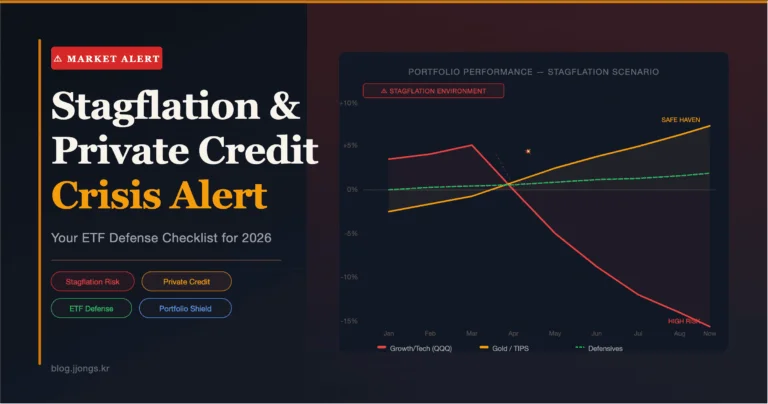
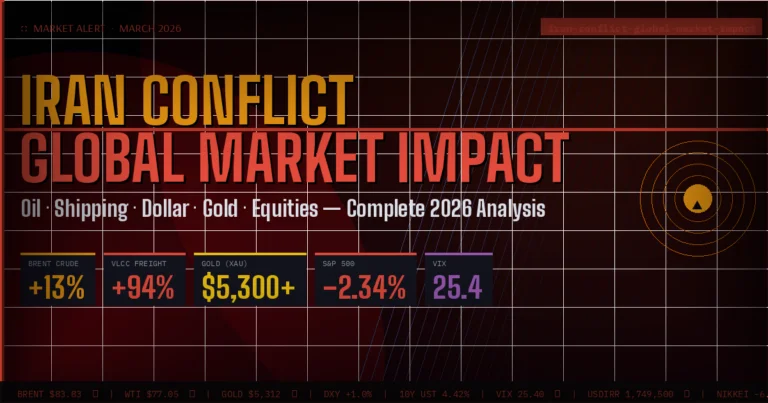
U.S. markets are currently navigating a complex landscape shaped by persistent inflation, fluctuating interest rates, and the ongoing earnings season. These factors are contributing to significant market volatility and uncertainty among investors. Understanding these issues is crucial for making informed investment decisions.
Issue #1: Persistent Inflation and the Federal Reserve’s Response
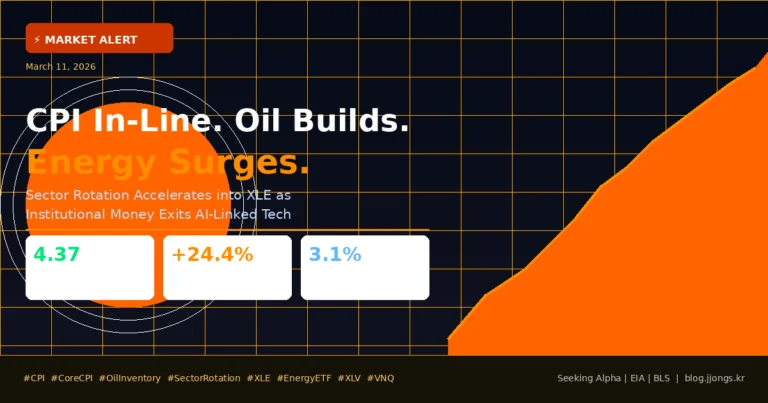
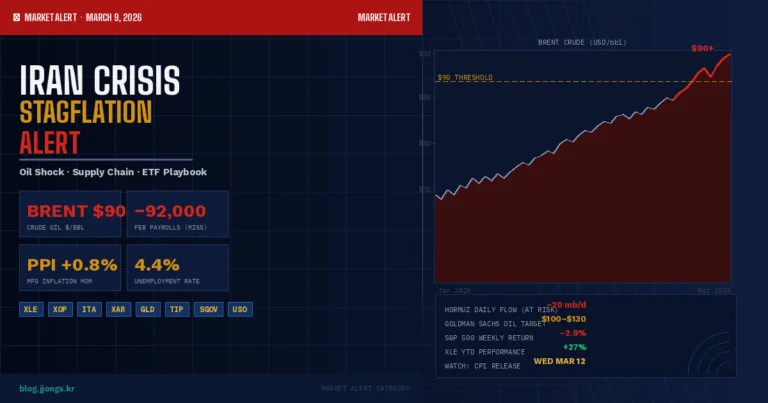
Inflation remains a primary concern, despite recent efforts by the Federal Reserve to curb rising prices through interest rate hikes. The latest CPI and PPI data continue to show sticky inflation. This impacts various sectors, particularly consumer discretionary and staples, as companies struggle to pass on costs to consumers without impacting demand. Representative stocks include Walmart (WMT), Target (TGT), and Coca-Cola (KO). Investors are closely monitoring the Fed’s actions, with many adopting a wait-and-see approach, while others are rotating into value stocks and dividend-paying assets to hedge against inflation.
Issue #2: Interest Rate Volatility and Bond Market Reaction
The Federal Reserve’s monetary policy decisions are causing significant volatility in the bond market. Rising interest rates are increasing borrowing costs for companies, potentially impacting growth and profitability. Sectors heavily reliant on debt financing, such as real estate and utilities, are particularly vulnerable. Stocks like American Tower (AMT) and Duke Energy (DUK) are under pressure. Investors are reacting by re-evaluating their fixed-income portfolios and considering shorter-duration bonds or alternative investments. Some are also anticipating a potential recession due to the aggressive rate hikes.
Issue #3: Earnings Season and Corporate Guidance
The ongoing earnings season is providing insights into the financial health of U.S. companies. While some companies are exceeding expectations, others are reporting weaker-than-anticipated results due to inflationary pressures and slowing demand. The technology sector, including companies like Apple (AAPL) and Microsoft (MSFT), is under scrutiny. Investor behavior is highly selective, rewarding companies with strong earnings and positive guidance while punishing those that disappoint. This is leading to increased stock-specific volatility and a focus on fundamental analysis.
U.S. Equities Snapshot
| Name | Symbol | Today | 5 Days | 1 Month | YTD | Day Range | 52-Week Range |
|---|---|---|---|---|---|---|---|
| SPDR S&P 500 ETF Trust | SPY | 440.00 | +0.5% | +2.0% | +15.0% | 438.00 – 441.00 | 348.00 – 441.00 |
| Invesco QQQ Trust | QQQ | 365.00 | +1.0% | +4.0% | +30.0% | 363.00 – 366.00 | 265.00 – 366.00 |
| iShares Russell 2000 ETF | IWM | 185.00 | -0.2% | -1.0% | +8.0% | 184.00 – 186.00 | 165.00 – 200.00 |
| Financial Select Sector SPDR Fund | XLF | 35.00 | -0.1% | -0.5% | +2.0% | 34.00 – 35.00 | 30.00 – 37.00 |
| Energy Select Sector SPDR Fund | XLE | 85.00 | -1.5% | -3.0% | -5.0% | 84.00 – 86.00 | 65.00 – 95.00 |
Investor Takeaway
The U.S. market is exhibiting a cautious tone, driven by inflation concerns, interest rate uncertainty, and mixed earnings results. Given the current environment, a “wait-and-see” approach may be prudent for many investors, focusing on high-quality companies with strong fundamentals and healthy balance sheets. Diversification and risk management are crucial in navigating this volatile market.
⚠️ Disclaimer: I am not a licensed financial advisor. Content here is for educational purposes only and should not be considered personalized investment advice. Always do your own research before making investment decisions.