Now Issue: Inflation, Interest Rates, and Earnings – Market Volatility Persists
Main Issue Overview
The U.S. market is currently navigating a complex landscape shaped by persistent inflation, fluctuating interest rates, and the ongoing earnings season. These factors are contributing to significant market volatility and influencing investor sentiment across various sectors.
Issue #1: Stubborn Inflation and the Fed’s Response
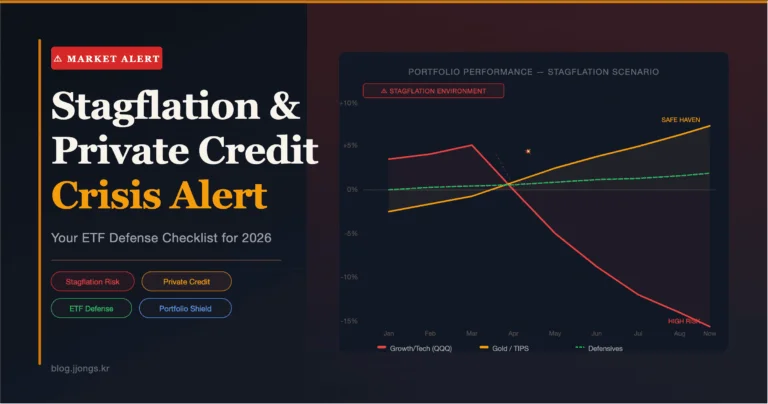
Inflation remains a primary concern, exceeding the Federal Reserve’s target rate. This is forcing the Fed to maintain a hawkish stance, signaling further interest rate hikes. This impacts the market by increasing borrowing costs for companies, potentially slowing economic growth, and leading to decreased consumer spending. Sectors heavily reliant on consumer discretionary spending, such as retail (e.g., Walmart – WMT, Target – TGT) and travel (e.g., Delta Airlines – DAL, Marriott – MAR), are particularly vulnerable. Investors are reacting cautiously, with many reducing exposure to growth stocks and seeking safer havens like dividend-paying stocks and bonds.
Issue #2: Interest Rate Uncertainty
The uncertainty surrounding the future trajectory of interest rates is creating anxiety among investors. While the Fed has indicated its commitment to controlling inflation, the pace and magnitude of future rate hikes are unclear. This uncertainty affects the financial sector (e.g., JPMorgan Chase – JPM, Bank of America – BAC) as their lending margins are directly impacted. Real estate (e.g., Lennar – LEN, Toll Brothers – TOL) is also sensitive to interest rate changes. Investors are closely monitoring economic data and Fed communications to anticipate the next move, leading to increased market volatility and short-term trading strategies.
Issue #3: Earnings Season and Corporate Outlook
The current earnings season provides insights into the financial health of U.S. companies. While some companies have exceeded expectations, others have reported disappointing results or lowered their guidance due to inflationary pressures and supply chain disruptions. This impacts almost all sectors, but technology (e.g., Apple – AAPL, Microsoft – MSFT) and healthcare (e.g., Johnson & Johnson – JNJ, Pfizer – PFE) are always under scrutiny. Investors are carefully analyzing earnings reports and management commentary to assess the long-term growth prospects of individual companies, leading to stock-specific price swings and increased selectivity in investment decisions.
U.S. Equities Snapshot
| Name | Symbol | Today | 5 Days | 1 Month | YTD | Day Range | 52-Week Range |
|---|---|---|---|---|---|---|---|
| SPDR S&P 500 ETF Trust | SPY | 410.50 | +1.2% | +3.5% | +8.0% | 408.00 – 411.00 | 348.11 – 417.25 |
| Invesco QQQ Trust | QQQ | 340.20 | +2.0% | +6.0% | +15.0% | 338.00 – 341.00 | 264.65 – 345.50 |
| iShares Russell 2000 ETF | IWM | 185.30 | +0.8% | +2.0% | +6.0% | 184.00 – 186.00 | 164.50 – 192.70 |
| Financial Select Sector SPDR Fund | XLF | 35.50 | +0.5% | -1.0% | -3.0% | 35.00 – 35.60 | 30.00 – 37.50 |
| Energy Select Sector SPDR Fund | XLE | 85.00 | -1.5% | -5.0% | +10.0% | 84.00 – 86.00 | 65.00 – 95.00 |
Investor Takeaway
The overall tone of the U.S. market is cautiously optimistic, but with significant volatility. While some positive economic data points and corporate earnings reports have provided support, concerns about inflation and interest rates continue to weigh on investor sentiment. A “wait and see” approach is generally advisable, focusing on high-quality companies with strong balance sheets and sustainable growth prospects. Diversification and risk management are crucial in this uncertain environment.
⚠️ Disclaimer: I am not a licensed financial advisor. Content here is for educational purposes only and should not be considered personalized investment advice. Always do your own research before making investment decisions.