
Now Issue: Navigating Inflation, Rate Hikes, and Tech Uncertainty
Main Issue Overview
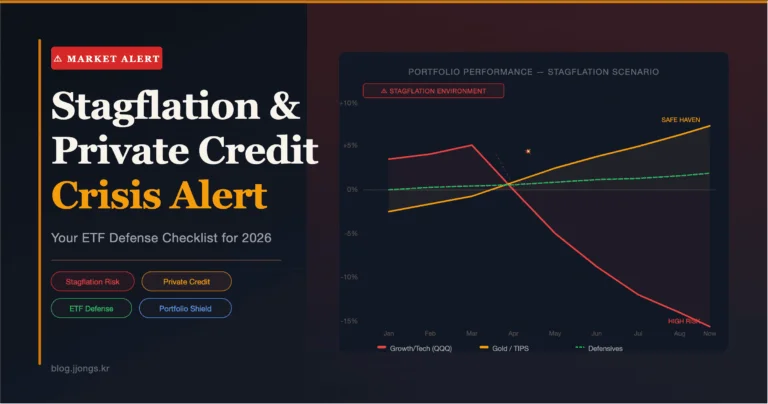
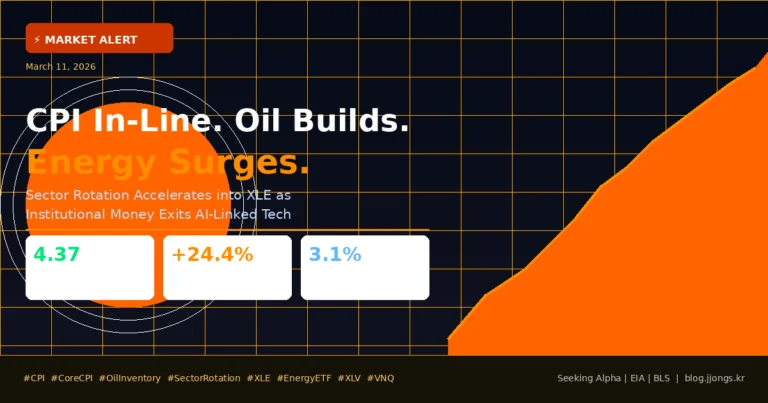
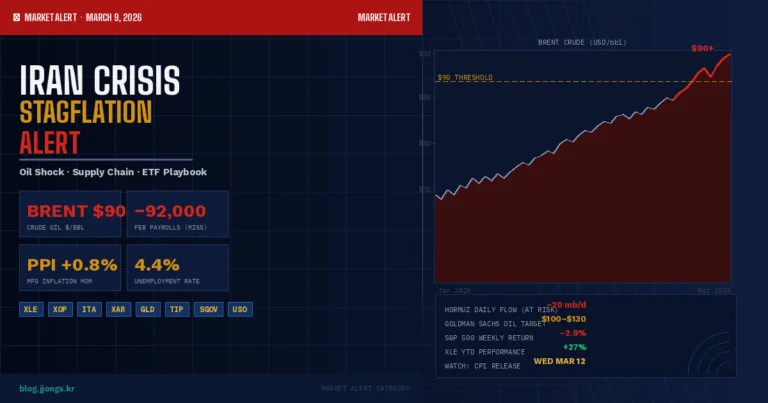
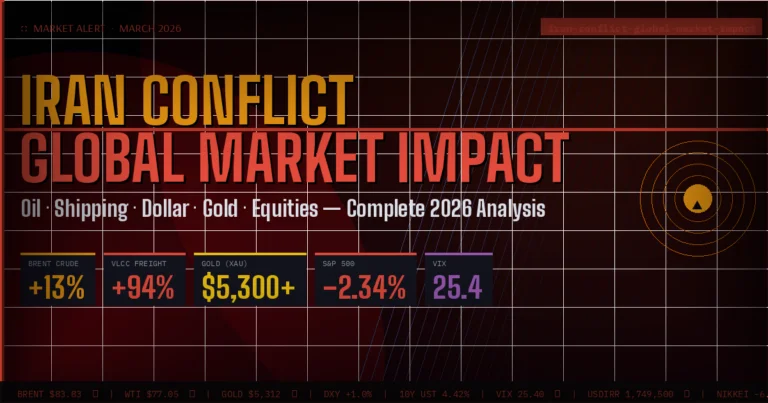
The U.S. market is currently grappling with a complex interplay of factors, including persistent inflation, the Federal Reserve’s ongoing interest rate hikes, and lingering uncertainty surrounding the technology sector. These issues are significantly impacting investor sentiment and driving market volatility.
Issue #1: Stubborn Inflation and the Fed’s Response
Inflation remains a primary concern, despite recent efforts to curb it. Elevated prices are squeezing consumer spending and impacting corporate earnings. The Federal Reserve’s commitment to raising interest rates to combat inflation is creating headwinds for economic growth. Sectors sensitive to interest rates, such as housing (e.g., D.R. Horton – DHI, Lennar – LEN) and consumer discretionary (e.g., Amazon – AMZN, Target – TGT), are particularly vulnerable. Investors are closely monitoring inflation data and Fed announcements, leading to increased market volatility as they attempt to anticipate future policy moves. Many are adopting a wait-and-see approach, reducing exposure to riskier assets.
Issue #2: Impact of Rising Interest Rates on Corporate Debt
The Federal Reserve’s aggressive interest rate hikes are increasing borrowing costs for corporations, especially those with high levels of debt. This impacts companies’ ability to invest in growth and innovation, potentially leading to slower earnings growth or even defaults for highly leveraged firms. Sectors with companies carrying significant debt, such as utilities (e.g., Duke Energy – DUK, Southern Company – SO), real estate (e.g., Simon Property Group – SPG, Prologis – PLD), and telecommunications (e.g., AT&T – T, Verizon – VZ), are facing increased scrutiny. Investors are analyzing balance sheets and debt-to-equity ratios to assess the risk associated with individual companies, favoring those with strong financial positions and lower debt burdens.
Issue #3: Tech Sector Volatility and AI Hype
The technology sector continues to experience volatility, driven by concerns about slowing growth, valuation corrections, and the ongoing hype surrounding artificial intelligence (AI). While AI presents significant long-term opportunities, the near-term impact on earnings and the sustainability of current valuations are being questioned. Companies heavily reliant on consumer spending or advertising revenue (e.g., Meta – META, Alphabet – GOOGL) are facing headwinds. Investors are carefully evaluating the long-term prospects of tech companies, distinguishing between those with genuine innovation and sustainable business models and those driven by short-term hype. Some are rotating profits from tech into more defensive sectors.
U.S. Equities Snapshot
| Name | Symbol | Today | 5 Days | 1 Month | YTD | Day Range | 52-Week Range |
|---|---|---|---|---|---|---|---|
| SPDR S&P 500 ETF Trust | SPY | 412.35 | -0.5% | -2.1% | 7.5% | 411.20 – 413.50 | 348.11 – 419.50 |
| Invesco QQQ Trust | QQQ | 340.12 | -1.2% | -4.5% | 12.2% | 338.50 – 342.00 | 264.50 – 350.00 |
| iShares Russell 2000 ETF | IWM | 175.50 | 0.2% | -0.8% | 3.1% | 174.80 – 176.20 | 164.00 – 192.00 |
| iShares MSCI EAFE ETF | EFA | 72.80 | 0.5% | 1.0% | 9.0% | 72.50 – 73.10 | 64.00 – 74.00 |
| iShares MSCI Emerging Markets ETF | EEM | 41.50 | 0.1% | -0.5% | 5.5% | 41.30 – 41.70 | 37.00 – 43.00 |
Reference Sources
- Realtime Trends : [Google Trends]
- Stock Market News Today : [Yahoo Finance]
- Market News : [CNBC]
- Stock Market Data : [Bloomberg]
- Financial Market News : [Reuters]
Investor Takeaway
The U.S. market is exhibiting a cautious tone, influenced by inflation concerns, rising interest rates, and tech sector uncertainty. A neutral to slightly bearish stance is warranted. Investors should focus on companies with strong fundamentals, healthy balance sheets, and sustainable business models. Consider diversifying portfolios and maintaining a higher cash position to capitalize on potential market dips. Waiting for clearer signals regarding inflation and the Fed’s future policy moves may be prudent.
⚠️ Disclaimer: I am not a licensed financial advisor. Content here is for educational purposes only and should not be considered personalized investment advice. Always do your own research before making investment decisions.