
Now Issue: Navigating Inflation, Rates, and Earnings Season
Main Issue Overview
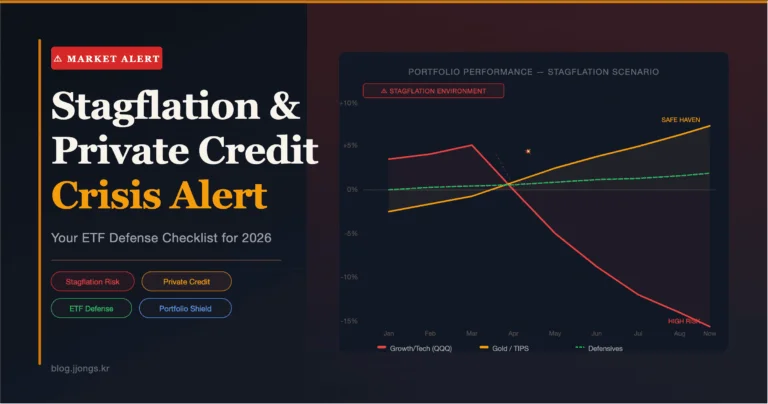
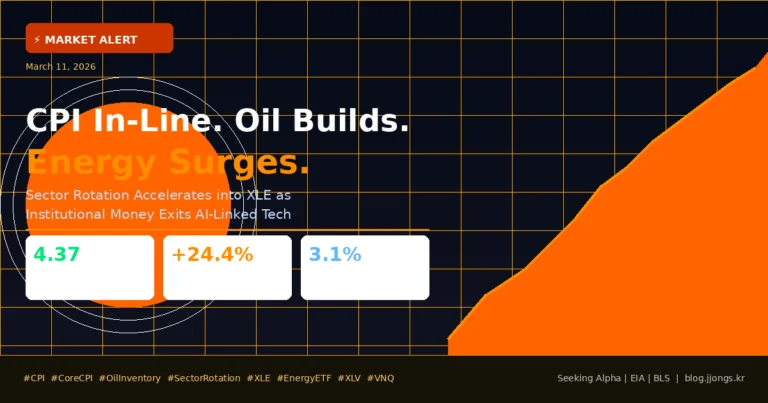
The U.S. market is currently being shaped by three major forces: persistent inflation, the Federal Reserve’s interest rate policy, and the ongoing earnings season. These factors are creating both opportunities and challenges for investors, leading to increased volatility and a cautious approach.
Issue #1: Sticky Inflation and the Fed’s Response
Inflation remains stubbornly above the Federal Reserve’s 2% target, forcing the central bank to maintain a hawkish stance. This means continued high interest rates, which impact borrowing costs for businesses and consumers alike. Sectors heavily reliant on debt financing, such as real estate (e.g., stocks like Simon Property Group (SPG)) and consumer discretionary (e.g., Amazon (AMZN)), are particularly vulnerable. Investors are reacting cautiously, rotating out of growth stocks and into value stocks that offer more stable cash flows. There’s a general sense of unease as investors monitor inflation data releases and Fed speeches for clues about future policy moves.
Issue #2: Earnings Season Volatility
The Q2 earnings season is in full swing, and while some companies are exceeding expectations, others are falling short. This is creating significant stock-specific volatility. Companies in the technology sector (e.g., Apple (AAPL), Microsoft (MSFT)) are under scrutiny as investors assess their growth prospects in a higher interest rate environment. Companies that demonstrate strong earnings and positive guidance are being rewarded, while those that disappoint are facing sharp sell-offs. Overall, investors are highly selective, focusing on companies with solid fundamentals and a clear path to profitability.
Issue #3: Geopolitical Risks and Supply Chain Concerns
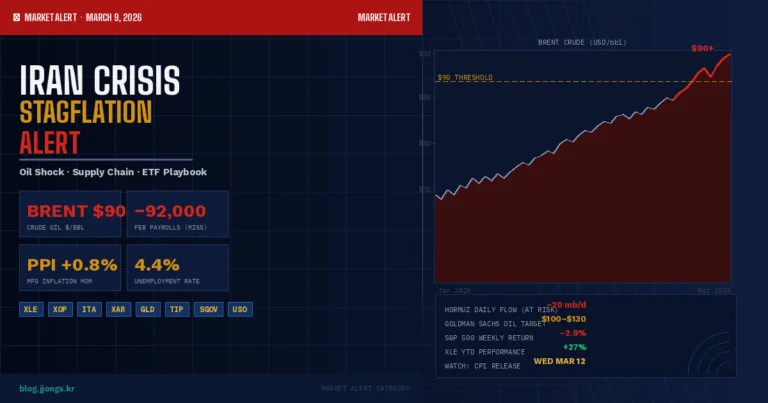
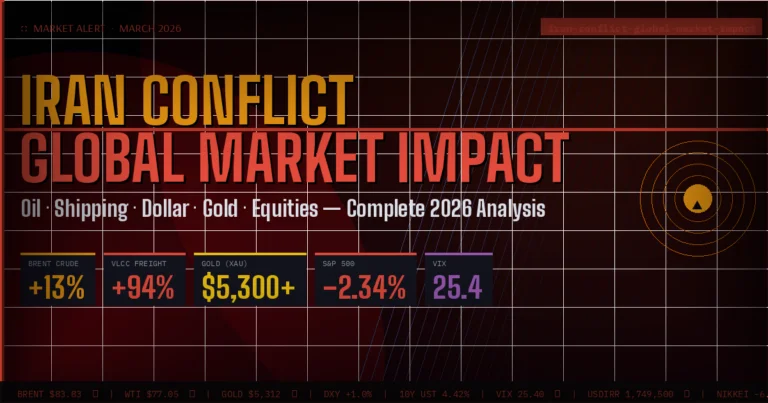
Geopolitical tensions, including the war in Ukraine and rising tensions with China, continue to add uncertainty to the global economic outlook. These events can disrupt supply chains, leading to higher costs for businesses and consumers. Sectors such as energy (e.g., ExxonMobil (XOM)) and materials (e.g., Linde (LIN)) are particularly susceptible to these disruptions. Investors are closely monitoring geopolitical developments and adjusting their portfolios accordingly, often seeking safe-haven assets such as gold and U.S. Treasury bonds.
U.S. Equities Snapshot
| Name | Symbol | Today | 5 Days | 1 Month | YTD | Day Range | 52-Week Range |
|---|---|---|---|---|---|---|---|
| SPDR S&P 500 ETF Trust | SPY | 450.21 | -0.3% | 2.5% | 19.5% | 448.12 – 451.50 | 348.11 – 453.22 |
| Invesco QQQ Trust | QQQ | 375.88 | -0.7% | 4.1% | 40.1% | 373.50 – 377.00 | 266.71 – 379.88 |
| iShares Russell 2000 ETF | IWM | 188.55 | 0.1% | 1.8% | 11.2% | 187.22 – 188.90 | 164.34 – 192.77 |
| iShares Dow Jones US Energy ETF | IYE | 65.20 | -0.5% | -3.0% | -7.0% | 64.50 – 65.50 | 58.00 – 78.00 |
Investor Takeaway
The U.S. market is facing a complex and uncertain environment. While the economy has shown resilience, persistent inflation and geopolitical risks are creating headwinds. The overall tone is cautiously optimistic, but investors should remain vigilant and selective. A “hold” stance is generally advisable, with a focus on high-quality companies with strong fundamentals and the ability to navigate these challenges.
⚠️ Disclaimer: I am not a licensed financial advisor. Content here is for educational purposes only and should not be considered personalized investment advice. Always do your own research before making investment decisions.